
Innovative Foundation Reinforcement Techniques for Long-Lasting Stability
- Ahmad Samadi
- Feb 23
- 4 min read

When it comes to constructing durable buildings and infrastructure, the foundation is the unsung hero. It bears the weight of the entire structure and ensures safety and longevity. However, soil conditions, environmental factors, and design challenges often demand more than traditional methods. That’s where innovative foundation reinforcement techniques come into play. By embracing new technologies and materials, we can significantly enhance the stability and resilience of foundations, ensuring projects stand the test of time.
Exploring Modern Foundation Reinforcement Techniques
Foundation reinforcement has evolved far beyond simple concrete footings and steel bars. Today, engineers and builders have a toolbox filled with advanced methods designed to address specific challenges. Some of the most effective techniques include:
Micropiles and Mini-Piles: These small-diameter piles are drilled deep into the ground to transfer loads to stable soil layers. They are ideal for sites with limited access or where vibration must be minimized.
Helical Piers: Resembling giant screws, helical piers are twisted into the soil to provide strong anchorage. Their installation is quick and causes minimal disturbance.
Carbon Fiber Reinforcement: Applying carbon fiber strips or sheets to existing foundations can dramatically increase tensile strength without adding bulk.
Soil Nailing: This technique involves inserting steel bars into soil slopes or excavations to stabilize them, often used in conjunction with shotcrete.
Geopolymer Concrete: An eco-friendly alternative to traditional concrete, geopolymer concrete offers enhanced durability and resistance to chemical attack.
Each of these methods can be tailored to the unique demands of a project, whether it’s a high-rise building, a bridge, or a government facility. By combining these techniques with thorough site analysis, we can optimize foundation performance and reduce long-term maintenance costs.

What is the best way to stabilize a foundation?
Stabilizing a foundation depends heavily on the underlying soil conditions and the type of structure involved. However, a comprehensive approach often yields the best results. Here’s a step-by-step guide to effective foundation stabilization:
Site Assessment: Conduct geotechnical investigations to understand soil composition, moisture content, and load-bearing capacity.
Load Analysis: Calculate the structural loads and identify potential stress points.
Choose Appropriate Reinforcement: Select from micropiles, helical piers, carbon fiber wraps, or other methods based on site data.
Implement Drainage Solutions: Poor drainage can undermine foundations. Installing French drains or sump pumps helps manage water flow.
Monitor and Maintain: Use sensors or regular inspections to detect early signs of movement or distress.
For example, in areas prone to expansive clay soils, combining helical piers with moisture control systems can prevent foundation shifting. Meanwhile, carbon fiber reinforcement is excellent for retrofitting older buildings showing signs of cracking.
By integrating these steps, we create a robust defense against foundation failure, ensuring safety and longevity.
Innovative Materials Driving Foundation Strength
Materials science has opened new frontiers in foundation reinforcement. Traditional concrete and steel remain staples, but innovations are pushing boundaries:
Fiber-Reinforced Polymers (FRP): These composites are lightweight, corrosion-resistant, and incredibly strong. They can be applied as wraps or bars to reinforce concrete.
Ultra-High Performance Concrete (UHPC): UHPC offers superior compressive strength and durability, making it ideal for critical load-bearing elements.
Self-Healing Concrete: Embedded with bacteria or chemical agents, this concrete can repair micro-cracks autonomously, extending foundation life.
Recycled Materials: Incorporating recycled aggregates or industrial by-products reduces environmental impact without compromising strength.
Using these materials not only improves structural integrity but also aligns with sustainable construction goals. For instance, UHPC’s longevity reduces the need for repairs, while FRP’s corrosion resistance is perfect for harsh environments like coastal areas.
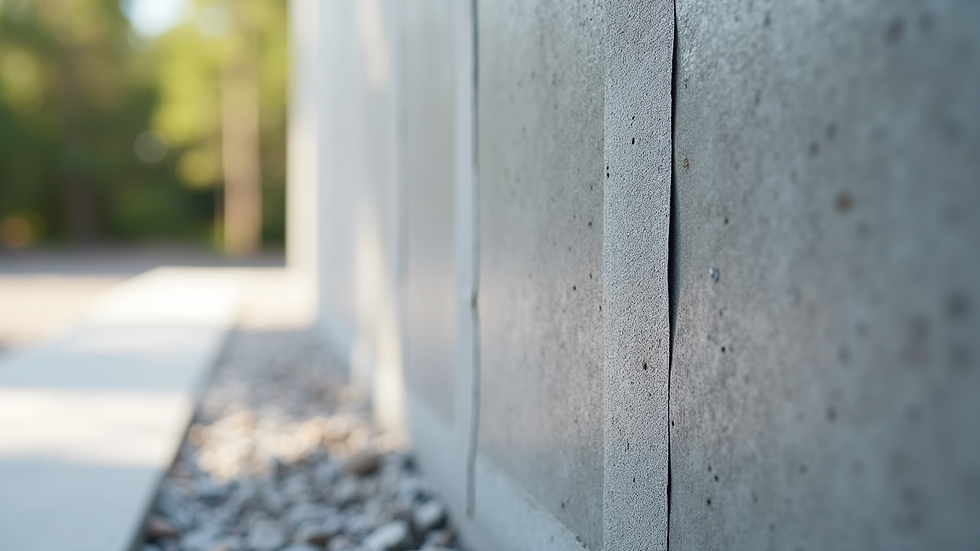
Practical Applications of Foundation Bracing Solutions
In real-world projects, foundation reinforcement must be practical, cost-effective, and adaptable. Here are some scenarios where innovative solutions shine:
Urban Redevelopment: Tight spaces and existing structures require minimally invasive methods like micropiles or carbon fiber wraps.
Seismic Zones: Helical piers and FRP reinforcements improve resilience against earthquakes by enhancing flexibility and load distribution.
Waterfront Projects: Corrosion-resistant materials and deep foundation systems protect against erosion and water damage.
Historic Building Preservation: Non-destructive reinforcement techniques preserve architectural integrity while improving safety.
By selecting the right combination of techniques and materials, we can address diverse challenges efficiently. This approach also supports the goal of delivering sustainable, well-engineered projects that meet client expectations and regulatory standards.
For those interested in exploring more about foundation bracing solutions, there are numerous case studies and technical resources available that showcase successful implementations.
Future Trends in Foundation Reinforcement
Looking ahead, the future of foundation reinforcement is bright and full of promise. Emerging technologies and research are shaping new possibilities:
Smart Foundations: Embedded sensors and IoT devices will enable real-time monitoring of foundation health, allowing proactive maintenance.
3D Printing: Custom foundation components can be printed on-site, reducing waste and speeding up construction.
Nanotechnology: Enhancing concrete with nanoparticles can improve strength, durability, and resistance to environmental factors.
Green Foundations: Using bio-based materials and energy-efficient processes will make foundations more sustainable.
As multidisciplinary engineering firms, embracing these trends aligns perfectly with our mission to deliver innovative, sustainable, and robust infrastructure solutions. Staying ahead of the curve ensures that every project benefits from the latest advancements, securing long-term success and client satisfaction.
Building Foundations That Last a Lifetime
In the end, foundation reinforcement is about more than just strength - it’s about foresight, innovation, and responsibility. By combining cutting-edge techniques with practical experience, we can build foundations that not only support structures but also the communities and economies they serve.
Whether tackling challenging soil conditions, preserving historic landmarks, or pioneering new materials, the key lies in thoughtful design and execution. Let’s continue to push the boundaries of what’s possible in foundation engineering, ensuring every project stands firm for generations to come.


Comments